By Leo Schwarz
What if one of the biggest bottlenecks for energy efficiency isn't technology, but cash flow? There are many planet-friendly technologies out there, be it heat pumps, electric vehicles, or solar panels, but often they are just not cost-competitive.
With electricity demand surging, more states and utilities are rolling out sizable rebate programs to make energy-efficient upgrades affordable. The problem: HVAC contractors, who install upgrades like heat pumps, get buried in complex paperwork and have to wait months for rebate payouts, creating a cash flow problem for their business.
I joined Coral three months ago to help more contractors solve this issue through our platform. Here, I want to share some learnings and impressions from three months at a rapidly growing climate fintech startup.
What I learned immediately is how big the customer pain is:
“Rebates are a struggle, they take time away from our business”
“We have $100K in rebates just sitting there, that is money that's getting held up.”
“Rebates are complicated. It was too much. Signatures, chasing account numbers, going back and forth. It's just been a lot.”
These are real customer quotes I have heard over and over when talking to HVAC contractors. They show that Coral solves more than the technical complexity of rebates, the real unlock is innovative financing that fixes contractors' cash flow and gets more heat pumps installed.
Being able to help with something that is causing real headaches is a joy. Ultimately, it is also the driver behind Coral's sales motion, where word of mouth generates many leads. In the first weeks, I understood that when the customer problem is so acute, you are selling with the customer, not against them. And this is a win-win situation for contractors and Coral.
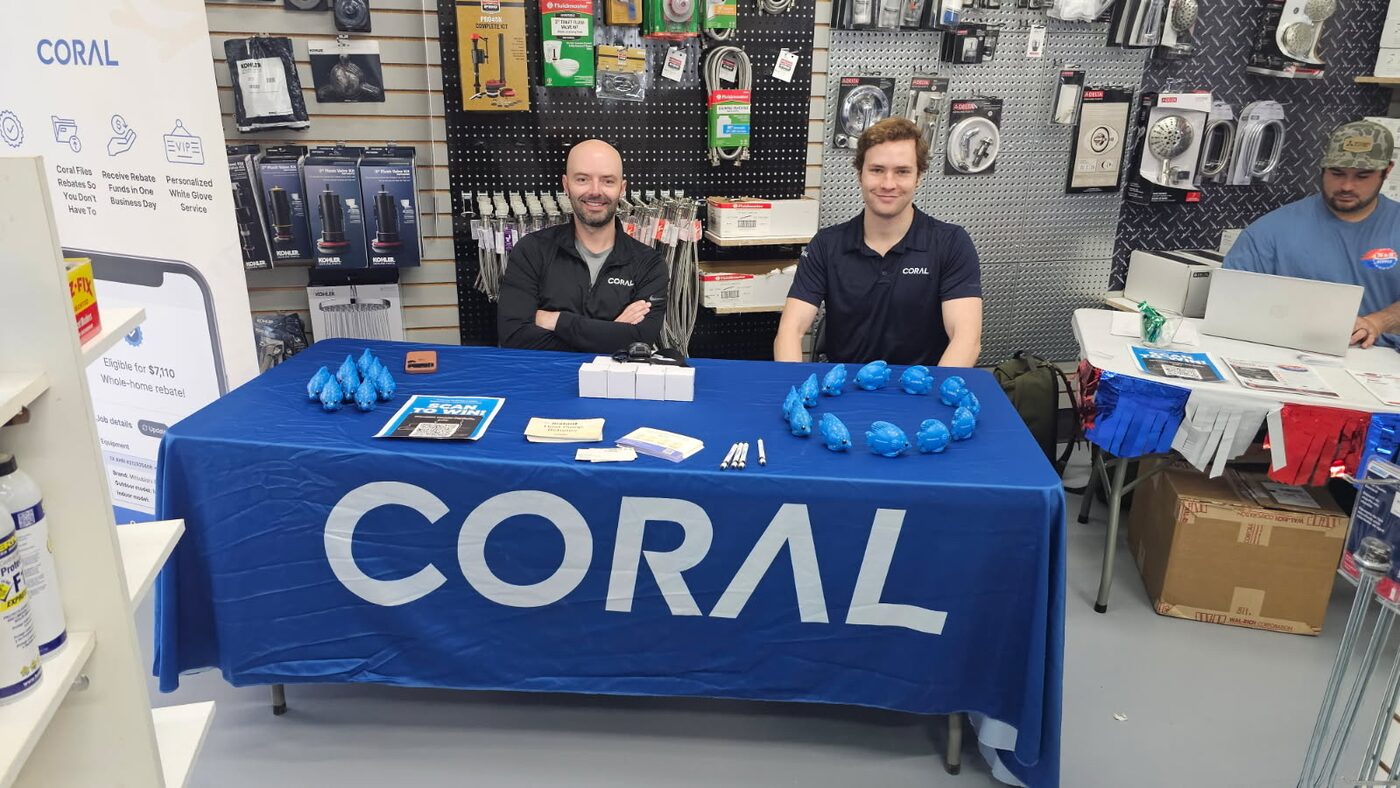
In three months, I've talked to hundreds of contractors: on the phone, on video, and in person, at events like the Saratoga Building Performance Association conference.
I've met people who work long hours (workdays for HVAC contractors often start before 7am), keeping homes running through the toughest months of the year, and I don't take that time lightly when I sit down with them. Our team is not there to sell something that nobody needs, we're there to actually help, and we try to make that clear early. Some contractors are genuinely curious and want to talk it through. Others shut it down the moment they sense a pitch coming, and yes, I get it, I'd probably do the same in their position.
What I have learned is that the difference isn't the product. It's whether you actually showed up to understand and help them, and whether that came through. For example, one contractor told us that they sometimes don't even tell customers about rebates because they don't know what they'll get, and just end up skipping over the process. I was surprised to hear that since rebates are normally a competitive advantage for any contractor offering them. But listening first, then understanding where the pain point is and finally working on a solution together made all the difference. With that mindset, you can connect with almost anyone.
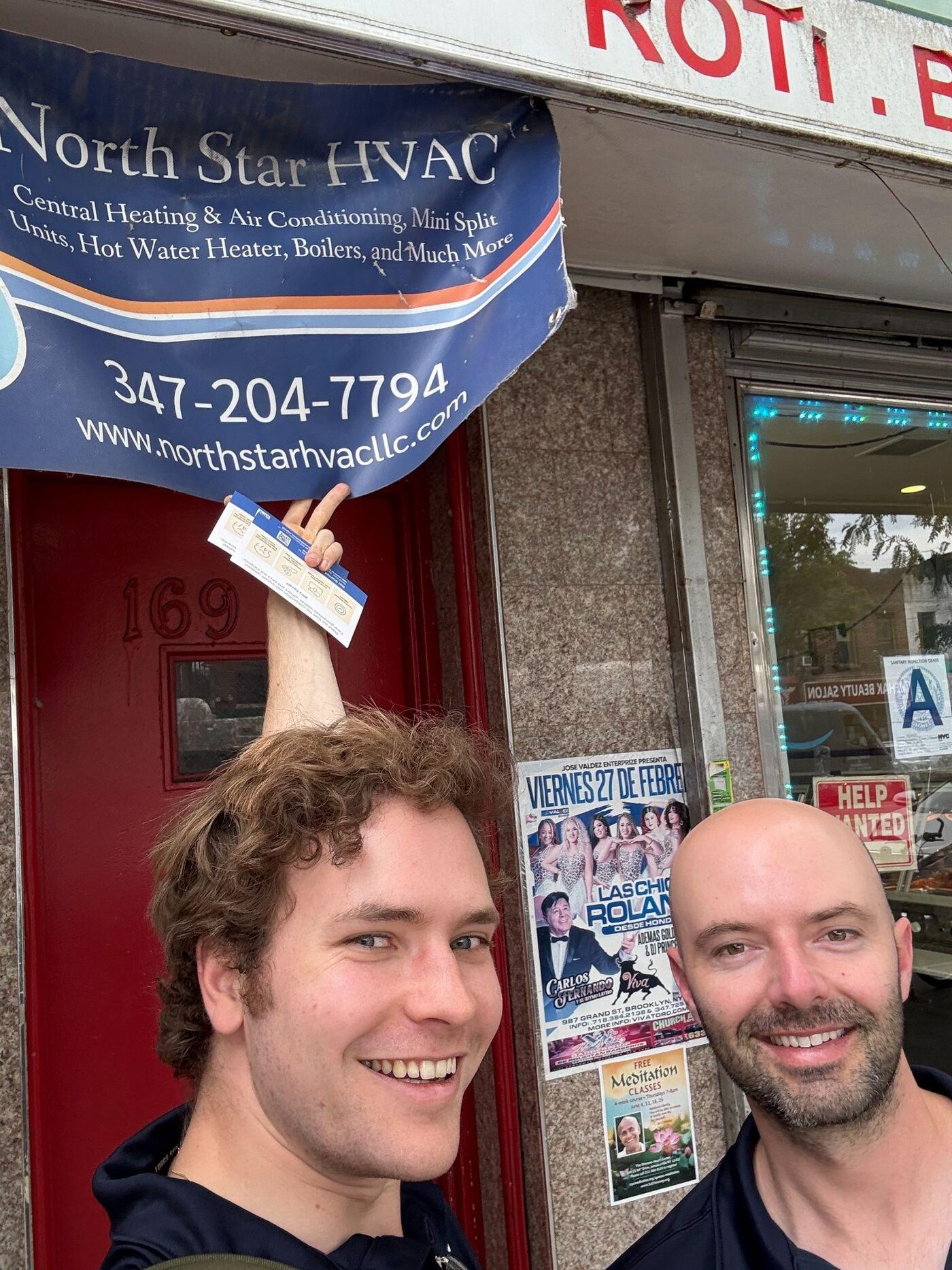
Some of our recent moves started as simple questions. Could we go door-to-door to 25 HVAC offices in Brooklyn in a day and actually learn something? We tried it, and it worked, not because door-to-door is a magic channel, but because showing up in person gives you data points you cannot learn by asking AI or browsing the web.
It's also been exciting to build AI agents to support the team: finding the right contractors to reach, automating first-touch outreach. It genuinely speeds things up. But go-to-market can't be fully automated. The best results still come from a person who can read a room, adjust on the spot, and follow up with judgment a machine doesn't have. The mix, automation for scale and a human for the real conversation, is what's working right now.
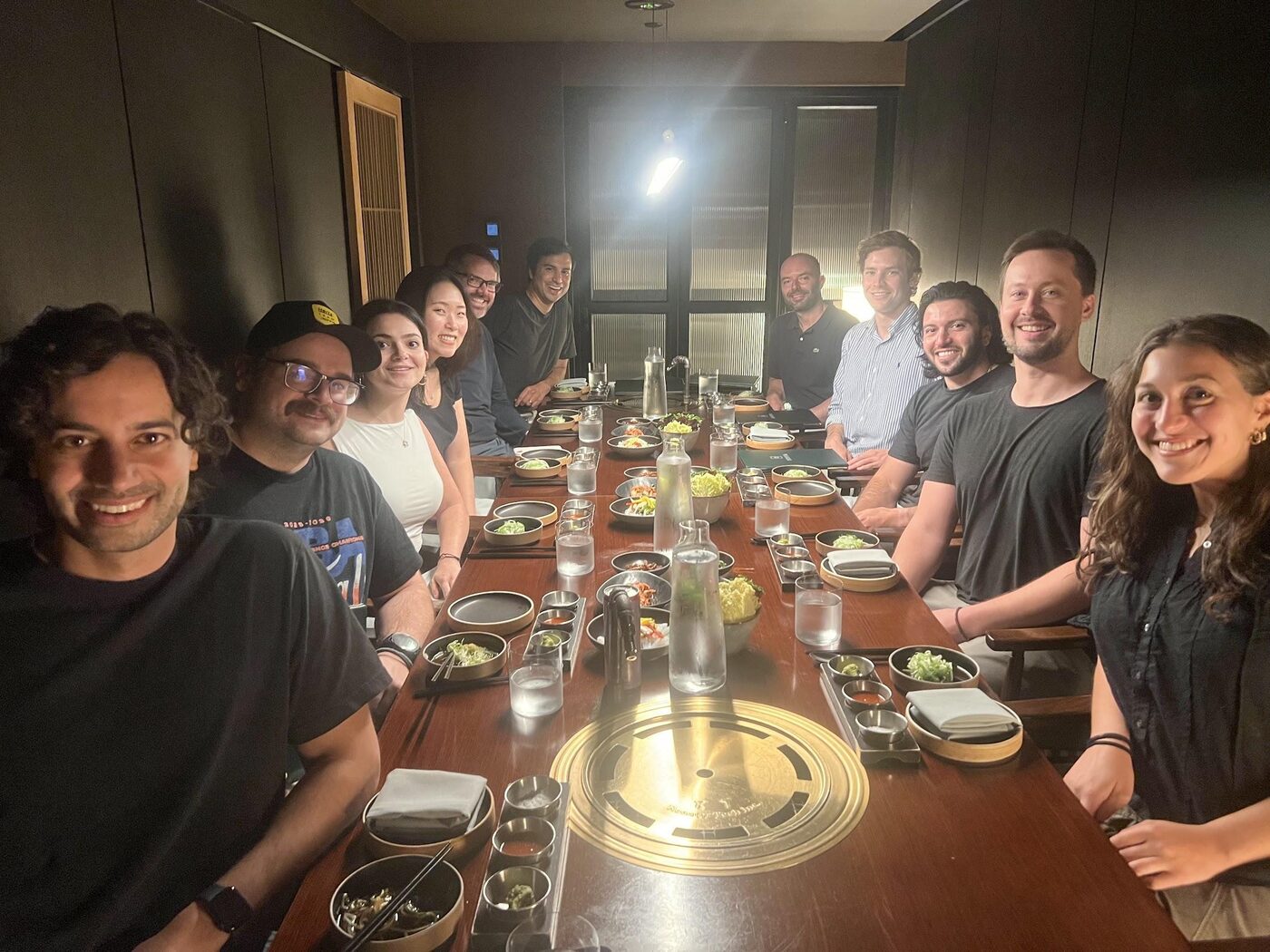
None of this would be as much fun without the team, who you can learn from and who you look forward to spending time with in the office. The benefit of working in a small team is that the workplace culture is actively shaped by what you bring, not only to your work but also socially. In smaller teams, you have the agency to take initiative, whether that's starting a weekly team lunch or setting up a World Cup viewing in the office. And at young start-ups, the early stage culture will set the trajectory for the rest of the company's path, so it matters a lot and is fun to be able to shape.
That same agency shows up in the variety of the work itself, where what gets done depends on what people bring, not on rigid structures that can lead to stasis at larger companies. One day might be spent fixing a customer issue in Massachusetts, another driving to New Jersey for market expansion research, and the next doing outreach analysis and testing new ways to reach contractors. Above all, customers can tell they're working with a team that cares, like when we give our personal cell phone numbers to new customers so they can reach out anytime.
So, having a real hard problem that is holding back energy efficiency and is a headache for many people plus a team that makes the ramp-up enjoyable is a rare combination. Thus, working at a fintech focused on energy efficiency can be a real lever for the planet and for people and I'm grateful to be part of this team.
Interested in Coral? Get in touch →
© 2026 Guidelight Technologies, Inc